Skill building ideas and examples
Practical skill building ideas and worked examples for organizing a shortlist, including comparison worksheets and practice exercises you can run with your own information.
Contents
- What shortlist organization actually involves
- Start with a comparison worksheet
- Practice exercises that build the skill in steps
- Worked example: organizing three listings
- Skills that make a shortlist easy to read
- Turning ideas into a repeatable routine
- Errors to look for when you review your work
- Questions about shortlist organization practice
- What are good skill building ideas for someone new to shortlists?
- How do I practice organizing a shortlist without real listings?
- Which skills does shortlist organization practice build?
- What is a comparison worksheet in shortlist practice?
- How often should I repeat the exercises?
- How do I know my worked example is organized well?
Skill building ideas work when each one targets a single part of the job. To learn shortlist organization, break the task into gathering details, putting them side by side and comparing them. The examples below turn that into practice exercises you can repeat with your own listings.
- Split shortlist organization into three skills: collecting details, aligning them across options and comparing them.
- A comparison worksheet trains the alignment step because every option fills the same columns.
- Practice exercises get harder as you move from worked examples to your own raw listings.
- Review each exercise for missing details before you judge the options.
- Repeat the same exercise with new information to keep the skill sharp.
What shortlist organization actually involves
Shortlist organization is the skill of placing the details of several options beside each other so they can be read at a glance. The skill has three parts: gathering facts, arranging them in the same order and drawing a comparison. Each part can be practiced on its own before the parts are combined.
Many people treat the shortlist as a pile of notes rather than a tool for deciding. A shortlist that is built well shows the same details for every option in the same place. That structure lets you spot a gap, an overlap or a trade-off without rereading every note.
Skill building ideas for this subject should always produce something you can inspect. A finished worksheet, a filled table or a written ranking is evidence that the exercise worked. Keep each output, because comparing your earlier attempts shows where your organization improved.
Start with a comparison worksheet
A comparison worksheet is a simple grid where each column stands for one option and each row stands for one detail. Building the worksheet is itself the exercise, because you must decide which details matter before you fill anything in. The grid forces the same questions onto every option.
Begin with rows you can answer for all options, such as what the item is, what it includes and what it requires from you. Add rows for conditions that change the answer, such as size, availability or support terms. Leave a final row for anything that does not fit elsewhere.
Fill the worksheet with placeholders where information is missing rather than leaving cells blank. A visible placeholder reminds you that the option is incomplete, while a blank cell reads as not applicable. This habit alone raises the quality of a shortlist.
| Worksheet row | Question it answers | Skill trained |
|---|---|---|
| Identity | What exactly is this option? | Separating options clearly |
| Contents | What does it include or cover? | Collecting complete details |
| Requirements | What does it ask of you? | Reading terms carefully |
| Conditions | What changes the answer? | Noticing context |
| Open gaps | What is still unknown? | Tracking missing facts |
Practice exercises that build the skill in steps
Practice exercises should get harder in a fixed order, so each one adds one new demand. The first exercise uses a worked example with the worksheet already filled. You study it and explain why each row sits where it does.
The second exercise gives you an empty worksheet and a set of finished descriptions to sort. Your job is to assign each detail to the right row and column. The third exercise gives you raw notes, so you must first decide what the details are before placing them.
The final exercise uses your own listings with no guidance at all. Run the same three steps: choose rows, collect details, then compare. Repeating this sequence with fresh information is what turns a single exercise into a lasting skill.
Worked example: organizing three listings
A worked example shows the whole shortlist organization process on a small set of three listings. Reading the steps out loud helps you notice the decisions that are easy to skip when you work fast. The example below uses generic listings rather than real products.
Listing A is a basic option with clear terms and few extras. Listing B offers more extras but its terms leave two questions open. Listing C is mid-range and lists everything in one place. None of these labels decides the outcome; the worksheet does.
The organizer writes three columns and fills each row for all three listings. Two of B's cells hold placeholders because the terms are unclear. The organizer then reads across the rows, notes which trade-offs appear and marks B as incomplete until the gaps close.
- Choose three listings that differ in a visible way.
- Set one column per listing and one row per detail.
- Fill every cell or mark it as an open gap.
- Read each row across before reading any column.
- Write one sentence about each trade-off you find.
- Flag any listing with unresolved gaps.
Skills that make a shortlist easy to read
Shortlist organization skills go beyond filling cells correctly. The reader must be able to follow the shortlist without your explanation. Clear labels, a fixed row order and consistent units keep the page readable for anyone who picks it up.
Consistency is the skill that separates a tidy shortlist from a confusing one. If one column states size in one unit, every column uses that unit. If one row asks about terms, every option gets the same question in the same words.
Separation is the second skill: keep facts, your impressions and open questions in different rows or different sections. Mixing a fact with an opinion hides which parts of the shortlist are settled. Practice this by marking each cell as fact, impression or gap.
Turning ideas into a repeatable routine
A skill building activity only pays off when it becomes a routine you run without deciding to. Link the exercise to a moment that already happens, such as opening a new set of listings. The same trigger then starts the same steps.
Keep a short routine of four moves: open the worksheet, list the rows, fill the cells and read across. Each move has a clear end, so you can stop and resume without losing the thread. The routine replaces the vague instruction to organize your options.
Review the finished shortlist with one question: can another reader compare the options without asking you anything? If the answer is no, the exercise shows exactly where the structure broke down. Fix that part and run the routine again with the next set.
Errors to look for when you review your work
Reviewing your own shortlist is a separate skill, and it catches problems that building alone misses. The first error to look for is an uneven worksheet, where some options have more detail than others. Uneven rows make a comparison look settled when it is not.
The second error is a row that hides two questions in one cell. Split such a row so each cell answers one thing. The third error is a gap that was quietly filled with an assumption, which removes the warning that the option is incomplete.
The fourth error is a shortlist that answers a different question than the one you started with. Reread your rows against the original need before you use the shortlist. Any row that does not serve that need can be removed or moved to a separate notes page.
Questions about shortlist organization practice
What are good skill building ideas for someone new to shortlists?
Good skill building ideas start with a filled comparison worksheet that the learner reads and explains. From there, move to sorting prepared details into an empty grid. The learner then organizes their own listings with the same rows and checks the result against a review list.
How do I practice organizing a shortlist without real listings?
You can practice shortlist organization with invented listings that differ in clear ways. Write three short descriptions, then build a grid with one column per description and one row per detail. The skill transfers because the steps are identical whatever the listings contain.
Which skills does shortlist organization practice build?
Shortlist organization practice builds three skills: collecting complete details, aligning the same details across options and comparing them without mixing fact with impression. It also trains the habit of marking missing information instead of guessing. These skills carry over to any decision where options sit side by side.
What is a comparison worksheet in shortlist practice?
A comparison worksheet is a grid where columns hold the options and rows hold the details you want to compare. Filling the grid forces the same questions onto every option. The worksheet is both the practice tool and the finished shortlist.
How often should I repeat the exercises?
Repeat an exercise each time a new set of options arrives, so the routine stays tied to real work. Vary the listings rather than the steps, because the steps are what you are training. The number of repetitions depends on how quickly the structure becomes automatic for you.
How do I know my worked example is organized well?
A well-organized worked example passes one test: another reader can compare the options without asking you anything. Every option has the same rows filled, missing details are marked and facts sit apart from impressions. If a reader stumbles, the example shows which part to rebuild.
Read next
-
 Car comparison clarity
-
 Aesthetic layout inspiration for lists
-
 Product comparison card design
-
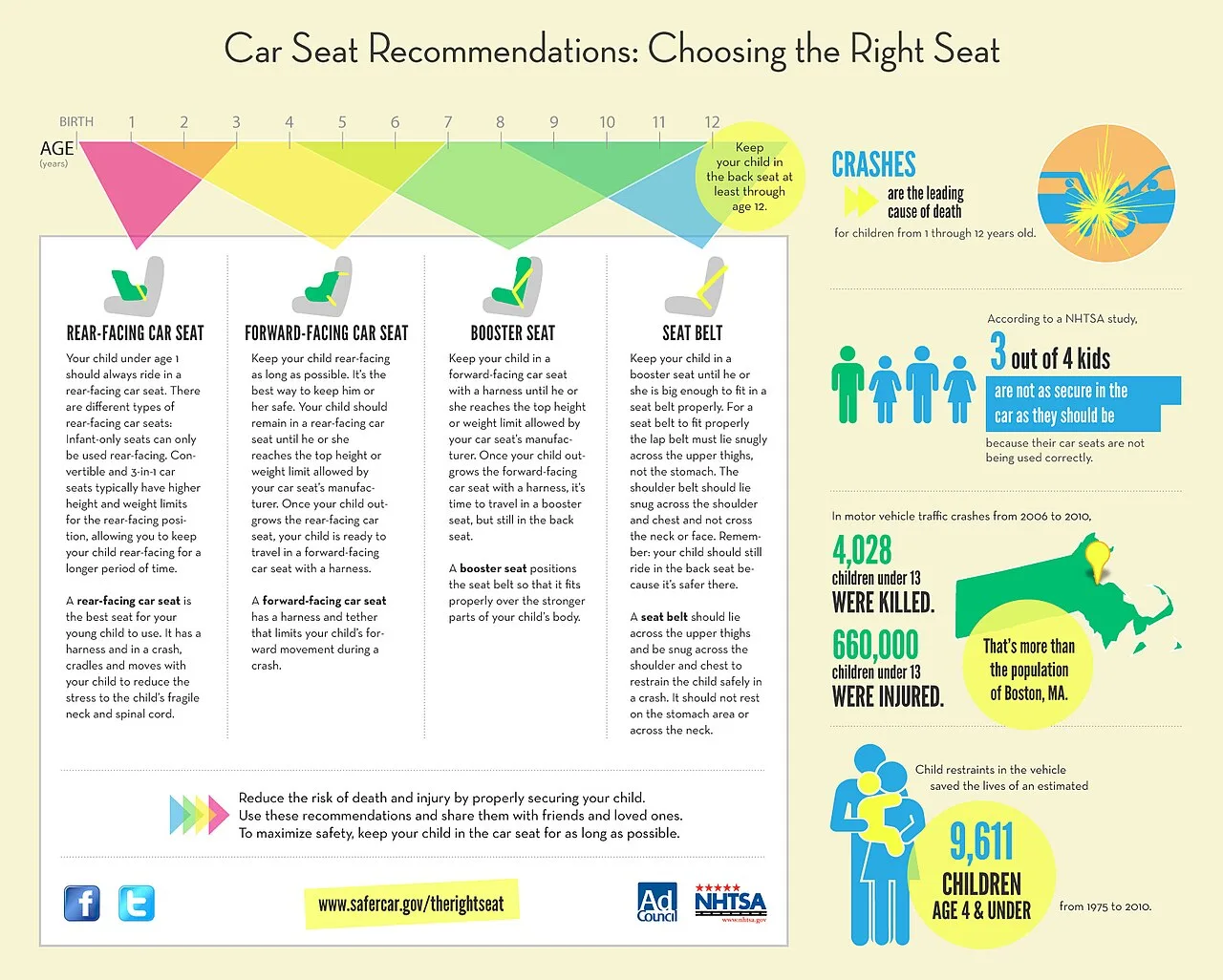 Car comparison infographic: visual layout for side-by-side listings
-
 Free comparison tools for beginners
-
 Basic visual comparison terms explained
-
 Side-by-side visual layout inspiration
-
 Vehicle depreciation curve comparison




