Trade-offs: meaning and examples in economics
Learn what a trade-off means in economics, how it differs from opportunity cost, and how to read trade-offs in microeconomics with clear examples.
Contents
- A plain trade-off definition
- Trade-offs versus opportunity cost
- Reading the production possibility frontier
- Questions about trade-offs in economics
- What are trade-offs in economics?
- How do you evaluate the meaning of a trade-off?
- Is a trade-off the same as opportunity cost?
- How does microeconomics use the idea of a trade-off?
A trade-off in economics is the act of gaining one thing by giving up another when you choose between alternatives. The idea explains why every decision about scarce resources involves a comparison of options rather than a free gain. This page gives a plain definition, connects trade-offs to opportunity cost and the production possibility frontier, and shows how economists use the term in microeconomics.
A plain trade-off definition
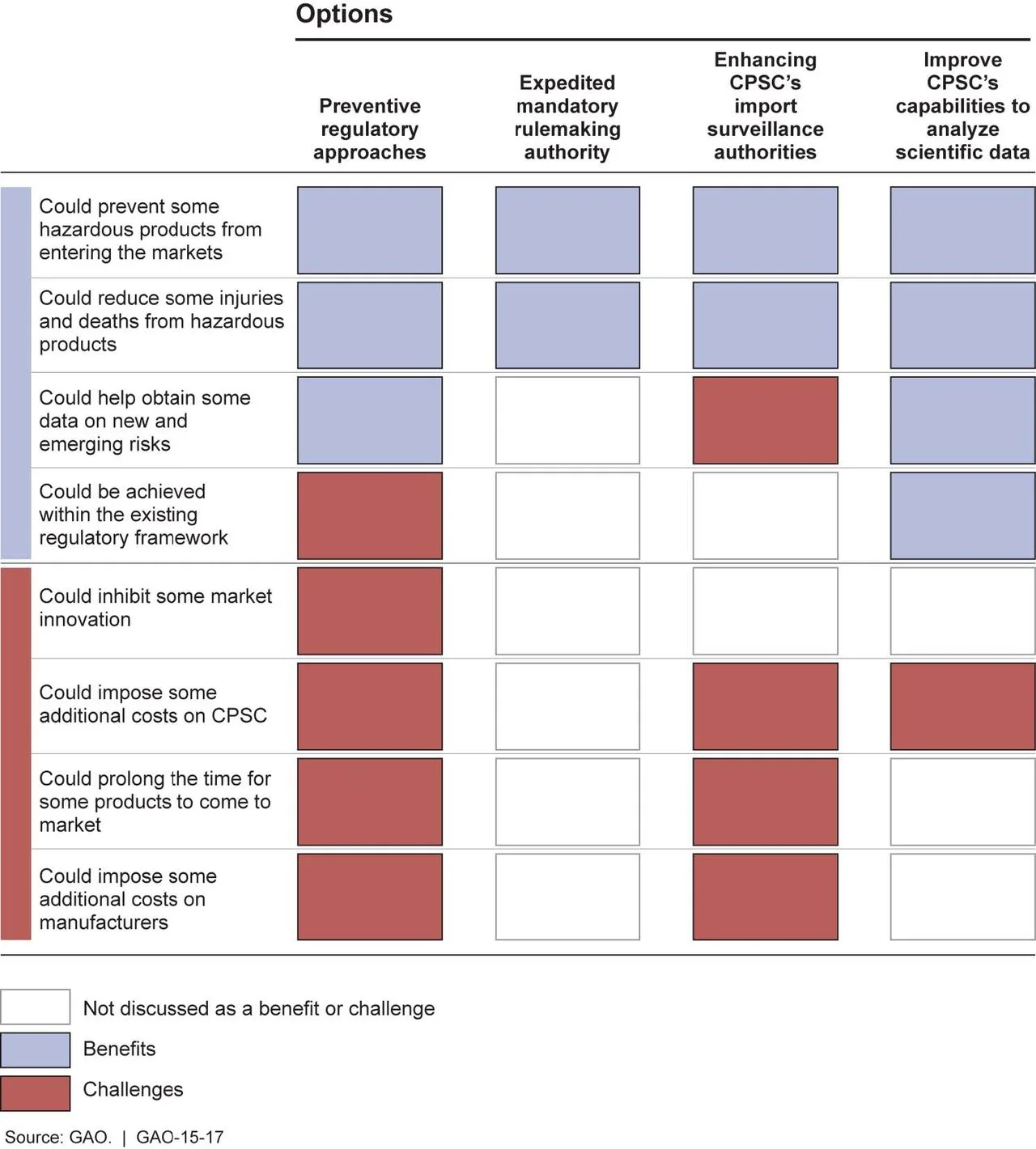
A trade-off is the loss of one benefit when you gain another benefit in the same decision. The definition applies whenever scarcity limits what you can have, so a choice for one use of a resource removes that resource from other uses. Trade-offs appear in household budgets, business spending and public policy, because each option asked for competes with the rest.
Trade-offs versus opportunity cost
A trade-off describes the alternatives you set aside, while opportunity cost measures the value of the one you forgo. Comparing options makes this link visible, because the cost of a choice is the worth of the next best alternative given up. A trade-off can involve several competing options at once, and opportunity cost names the single alternative that mattered most.
Reading the production possibility frontier
The production possibility frontier shows trade-offs as a curve of output combinations an economy can reach with fixed resources. Moving along the curve gains more of one good only by producing less of the other, which is the trade-off in visible form. Points inside the curve mean resources sit unused, and points beyond it stay out of reach with current inputs. Scarcity sets the limit that makes the curve necessary.
Questions about trade-offs in economics
What are trade-offs in economics?
Trade-offs in economics are the sacrifices you accept when you allocate a scarce resource to one use instead of another. Each decision to produce or buy one thing takes resources away from something else. The concept sits at the center of microeconomics because scarcity forces every agent to choose.
How do you evaluate the meaning of a trade-off?
You evaluate a trade-off by naming both sides of the choice and the value you give each alternative. State what you gain, state what you give up, and compare the two in the same terms where you can. That comparison turns a vague feeling of cost into a clear reason for the decision.
Is a trade-off the same as opportunity cost?
No, a trade-off and opportunity cost are related but distinct, because the trade-off is the giving up of alternatives and the opportunity cost is the value of the alternative forgone. A trade-off lists what you set aside, while opportunity cost puts a worth on the option you ranked next. Economists use both ideas together to describe a choice under scarcity.
How does microeconomics use the idea of a trade-off?
Microeconomics uses trade-offs to explain how consumers, firms and workers divide limited resources among competing wants. A consumer trades spending on one good for spending on another, and a firm trades output of one product for output of another. Analyzing those trade-offs shows how prices and incentives shape the choices of individual agents.